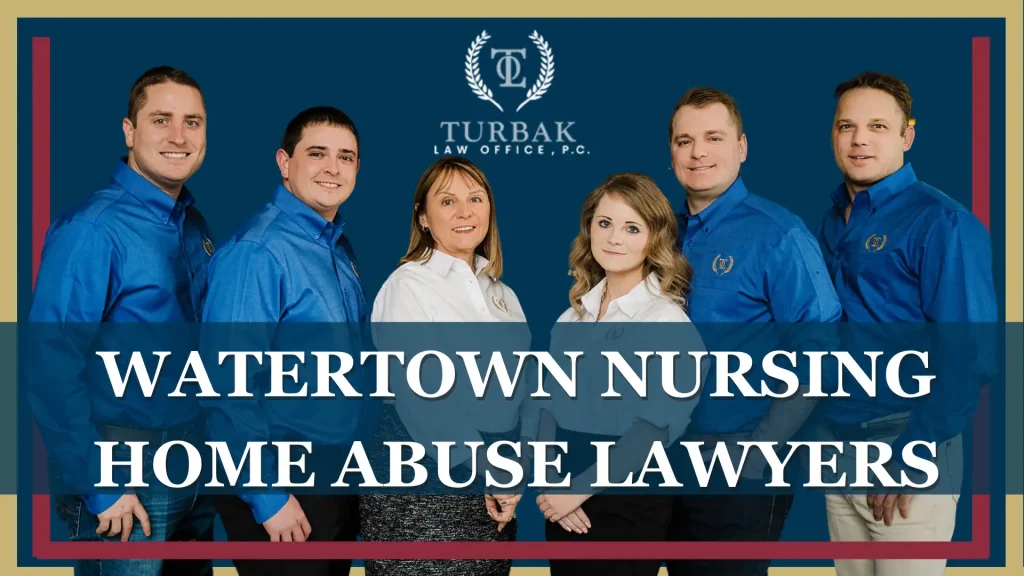
When a loved one enters a nursing home, families expect their relative to receive compassionate, quality care. Unfortunately, abuse and neglect occur in care facilities across New York, leaving residents injured, traumatized, and vulnerable. If you suspect your family member has experienced mistreatment, Turbak Law Office, P.C. provides experienced legal representation to hold negligent facilities accountable.
Understanding Nursing Home Abuse and Neglect
Nursing home abuse encompasses intentional harm inflicted on residents by staff members or other residents. Neglect, while sometimes unintentional, represents a failure to provide necessary care, supervision, or medical attention. Both constitute serious violations of residents’ rights and dignity.
What Constitutes Nursing Home Abuse?
Nursing home abuse takes multiple forms:
- Physical Abuse: Hitting, pushing, restraining, or using excessive force against residents
- Emotional Abuse: Verbal harassment, intimidation, humiliation, or isolation
- Sexual Abuse: Unwanted sexual contact or exploitation
- Financial Exploitation: Unauthorized use of resident funds or coercion regarding finances
- Medical Neglect: Failure to provide prescribed medications, medical treatment, or necessary care
- Basic Care Neglect: Inadequate nutrition, hydration, hygiene, or assistance with activities of daily living
Common Forms of Neglect in Care Facilities
Neglect represents the most prevalent form of mistreatment in nursing homes. Common manifestations include:
- Pressure ulcers (bedsores) from inadequate repositioning
- Malnutrition and dehydration due to insufficient feeding assistance
- Medication errors or missed doses
- Untreated infections and medical conditions
- Falls resulting from inadequate supervision
- Poor hygiene and sanitation practices
- Failure to respond to resident requests or complaints
Warning Signs Your Loved One May Be Experiencing Abuse
Recognizing abuse requires vigilance. Family members should monitor for sudden changes in their loved one’s physical condition or behavior.
Physical Indicators of Abuse
Unexplained injuries warrant immediate investigation:
- Bruises, lacerations, or fractures in various stages of healing
- Pressure ulcers or bedsores
- Sudden weight loss or signs of malnutrition
- Poor hygiene or untreated medical conditions
- Medication errors or missed doses evidenced by behavioral changes
- Signs of restraint marks or injuries from falls
Behavioral Changes That Warrant Attention
Psychological indicators often precede visible physical evidence:
- Withdrawal from family visits or social activities
- Increased anxiety, fear, or agitation
- Depression or hopelessness
- Reluctance to discuss care or staff interactions
- Confusion or cognitive decline beyond baseline
- Regression in independence or self-care abilities
- Fearfulness around specific staff members
Documentation and Evidence Gathering
Families should maintain detailed records:
- Photograph visible injuries with dates
- Document behavioral observations in writing
- Request medical records and care plans
- Note staff interactions and facility conditions
- Preserve communications with facility management
- Obtain witness statements from other residents or family members
Root Causes of Nursing Home Abuse and Neglect
Understanding why abuse occurs helps families identify high-risk facilities. It also supports legal claims by establishing systemic failures.
Understaffing and Inadequate Training
Insufficient staffing represents the primary driver of nursing home neglect. When facilities operate below recommended staff-to-resident ratios, caregivers cannot provide adequate supervision or assistance.
New York requires a minimum staffing of 3.5 hours of nursing care per resident daily (measured as a quarterly average). At least 2.2 hours must come from certified nurse aides and 1.1 hours from licensed nurses, under Public Health Law § 2895-b (effective April 1, 2022).
Inadequately trained staff lack the skills to handle challenging behaviors. They cannot manage medical conditions or recognize abuse. This systemic understaffing creates an environment where neglect flourishes and abuse goes undetected.
Poor Management and Oversight
Facilities with weak management structures fail to implement proper protocols. They do not conduct background checks or investigate complaints. Administrators who prioritize profits over resident welfare create environments where abuse flourishes unchecked.
Inadequate supervision of staff, failure to establish clear care standards, and lack of quality assurance programs enable mistreatment to continue unaddressed.
Lack of Accountability
When facilities fail to report suspected abuse to authorities or investigate complaints internally, perpetrators continue harming residents. Lack of accountability enables repeat offenders to remain employed.
Federal law requires nursing homes to report suspected abuse to state authorities immediately, but not later than 2 hours if the allegation involves abuse or results in serious bodily injury. Other alleged violations that do not involve abuse and do not result in serious bodily injury must be reported within 24 hours (42 CFR § 483.12(c)(1)).
New York Laws Protecting Nursing Home Residents
New York maintains legal protections for nursing home residents. These protections create pathways for families to pursue justice.
Public Health Law Article 28
New York Public Health Law Article 28 establishes minimum standards for nursing home operations. These include staffing requirements, infection control, medication management, and resident rights.
This statute requires nursing homes to maintain adequate staffing levels. They must implement proper training programs and maintain safe facility conditions. Violations of these standards can form the basis for negligence claims.
The law also requires facilities to report suspected abuse, neglect, exploitation, and mistreatment to the New York State Department of Health within 24 hours of discovery.
Nursing Home Bill of Rights
The New York Nursing Home Bill of Rights, codified in Public Health Law § 2803-c, guarantees residents specific protections:
- Right to receive care without abuse or neglect
- Right to privacy and dignity
- Right to participate in care planning
- Right to voice complaints without retaliation
- Right to manage personal finances
- Right to receive visitors
- Right to access medical records
- Right to be informed about their medical condition and treatment options
Violations of these rights can support legal claims for damages. Facilities that retaliate against residents or family members who report abuse face additional liability under Public Health Law § 2801-d. This statute establishes a private right of action for residents to sue for deprivation of rights.
Statute of Limitations for Claims
In New York, personal injury claims arising from nursing home abuse must be filed within three years of the injury or discovery of the injury.
Wrongful death claims have a 2-year statute of limitations from the date of death under E.P.T. Law § 5-4.1(1). This is shorter than the 3-year deadline for personal injury claims.
Survival actions for pre-death pain and suffering follow the 3-year personal injury timeline or 1 year from death, whichever is longer. The “discovery rule” may extend the personal injury timeline if the injury was not immediately apparent. Consulting with an attorney early ensures compliance with all applicable deadlines.
How Turbak Law Office, P.C. Can Help
Turbak Law Office, P.C. provides legal representation for nursing home abuse victims and their families.
Investigation and Evidence Collection
Our nursing home abuse lawyers conduct thorough investigations, including:
- Reviewing medical records and care documentation to identify deviations from standard care
- Interviewing residents, family members, and witnesses to establish what occurred
- Obtaining facility inspection reports and violation histories from the New York Department of Health
- Consulting medical experts to establish causation between facility failures and resident injuries
- Photographing facility conditions and documenting deficiencies that contributed to abuse or neglect
- Analyzing staffing records to demonstrate understaffing and inadequate supervision
Liability Determination
We identify all responsible parties, which may include:
- Individual staff members who committed abuse or failed to provide care
- Nursing home administrators and management who failed to supervise or implement proper protocols
- Facility owners and corporate entities are responsible for systemic failures
- Medical professionals who failed to report suspected abuse as required by law
- Equipment manufacturers in cases involving falls or injuries from defective equipment
Compensation Recovery
Turbak Law Office, P.C. pursues maximum compensation through settlement negotiations and litigation. We hold facilities accountable for their failures. We work with medical experts, economists, and other specialists to quantify damages and present evidence of the facility’s liability.
Types of Compensation Available
Victims of nursing home abuse may recover damages for medical and rehabilitation costs, pain and suffering, and wrongful death.
Medical and Rehabilitation Costs
- Emergency medical treatment for injuries sustained
- Hospitalization and surgical procedures
- Ongoing medical care and therapy
- Medications and medical equipment
- Relocation to alternative care facilities
- Home care services and in-home nursing
Pain and Suffering Damages
- Physical pain and discomfort from injuries
- Emotional trauma and psychological injury
- Loss of dignity and quality of life
- Diminished enjoyment of remaining years
- Loss of independence and autonomy
Wrongful Death Claims
When nursing home abuse results in death, families may pursue wrongful death claims. These claims recover:
- Funeral and burial expenses
- Lost financial support the deceased would have provided
- Loss of companionship and consortium
- Punitive damages in cases of gross negligence or intentional misconduct
Frequently Asked Questions
Q: How do I know if my loved one’s injuries resulted from abuse rather than an accident?
A: Our attorneys work with medical experts to distinguish between accidental injuries and those consistent with abuse patterns. Documentation, witness statements, and facility records help establish causation. Medical experts can review injuries and determine whether they are consistent with the facility’s explanation or suggest intentional harm or gross negligence.
Q: What if the nursing home claims my loved one fell?
A: Falls can result from inadequate supervision, failure to use appropriate assistive devices, or unsafe facility conditions. We investigate whether the facility breached its duty of care. This includes failure to implement fall prevention measures, provide adequate supervision, or maintain safe premises. Many falls that nursing homes attribute to accidents are actually due to negligence. Similar to slip and fall accidents, nursing home falls require thorough investigation.
Q: Can I pursue a claim if my loved one has passed away?
A: Yes. Wrongful death claims allow families to recover damages when nursing home abuse contributes to a resident’s death. These claims can be brought by the resident’s estate or by family members who suffered loss as a result of the resident’s death.
Q: How long does a nursing home abuse case take?
A: Timeline varies based on case complexity. Most cases resolve within 18 months to 3 years through settlement or litigation. Some simpler cases with clear liability may resolve faster. Complex cases involving serious injuries or multiple defendants may extend toward the 3-year range.
Q: Do I need to pay upfront legal fees?
A: Turbak Law Office, P.C. represents nursing home abuse victims on a contingency fee basis. You pay nothing unless we recover compensation. This arrangement ensures that families can pursue justice regardless of their financial circumstances.
Contact Turbak Law Office, P.C. for a Free Consultation
If you suspect your loved one has experienced nursing home abuse or neglect, contact Turbak Law Office, P.C. immediately. We provide free consultations to discuss your case and explain your legal options. Our attorneys understand the physical and emotional toll abuse takes on families. We are committed to pursuing justice and compensation.
Call 605-886-8361 today or complete our online contact form to schedule your free consultation. Time is critical in these cases. Evidence can be lost, and memories fade. The sooner you contact us, the better we can protect your loved one’s rights and build a strong case.